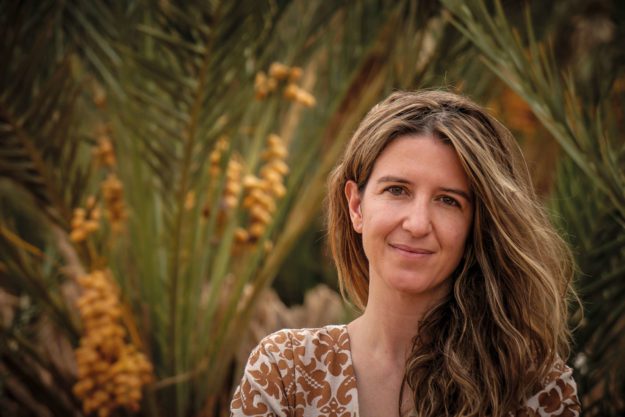
With an already distinguished career spanning both academia and private practice, Aziza Chaouni was appointed in July 2025 as a tenure-track assistant professor of Architecture and Sustainable Construction at EPFL’s School of Architecture, Civil and Environmental Engineering (ENAC). She now leads the newly created South-North Laboratory for Sustainable Construction and Conservation (SoNo) at the Smart Living Lab (SLL) in Fribourg. In this interview, the Moroccan-born architect reflects on her academic journey, outlines her upcoming research projects, and shares her first impressions of the SLL, its future building, and her new home city of Fribourg.
Could you briefly describe your background?
I completed my Bachelor’s degree in civil engineering at Columbia University in New York, followed by a Master of Architecture at Harvard, where I received a research fellowship. This allowed me to conduct fieldwork documenting autonomous buildings linked to ecotourism projects across the Sahara. I later had the opportunity to work with architect Renzo Piano in Paris before joining the University of Toronto as an associate professor. There, I continued my research on ecotourism infrastructures in countries such as Australia, Chile, and Peru, and for 18 years I taught sustainable architectural methods and innovations from the Global South.
What motivated you to leave Canada and join EPFL?
My main motivation was to join the Smart Living Lab. Here, thanks to the PopUp workshop, I can test full-scale 1:1 prototypes and develop various types of low-carbon materials for housing – something that is urgently needed in many countries of the Global South due to rapid population growth. My team and I are currently experimenting with LC3 cement bricks (editor’s note: "Limestone Calcined Clay Cement" developed at EPFL, reduces CO2 emissions by 40%). These bricks interlock like Lego pieces, allowing walls to be built without mortar. In Toronto, I simply didn’t have the space to pursue this kind of experimentation.
Beyond low‑carbon materials, what other research areas are you focusing on?
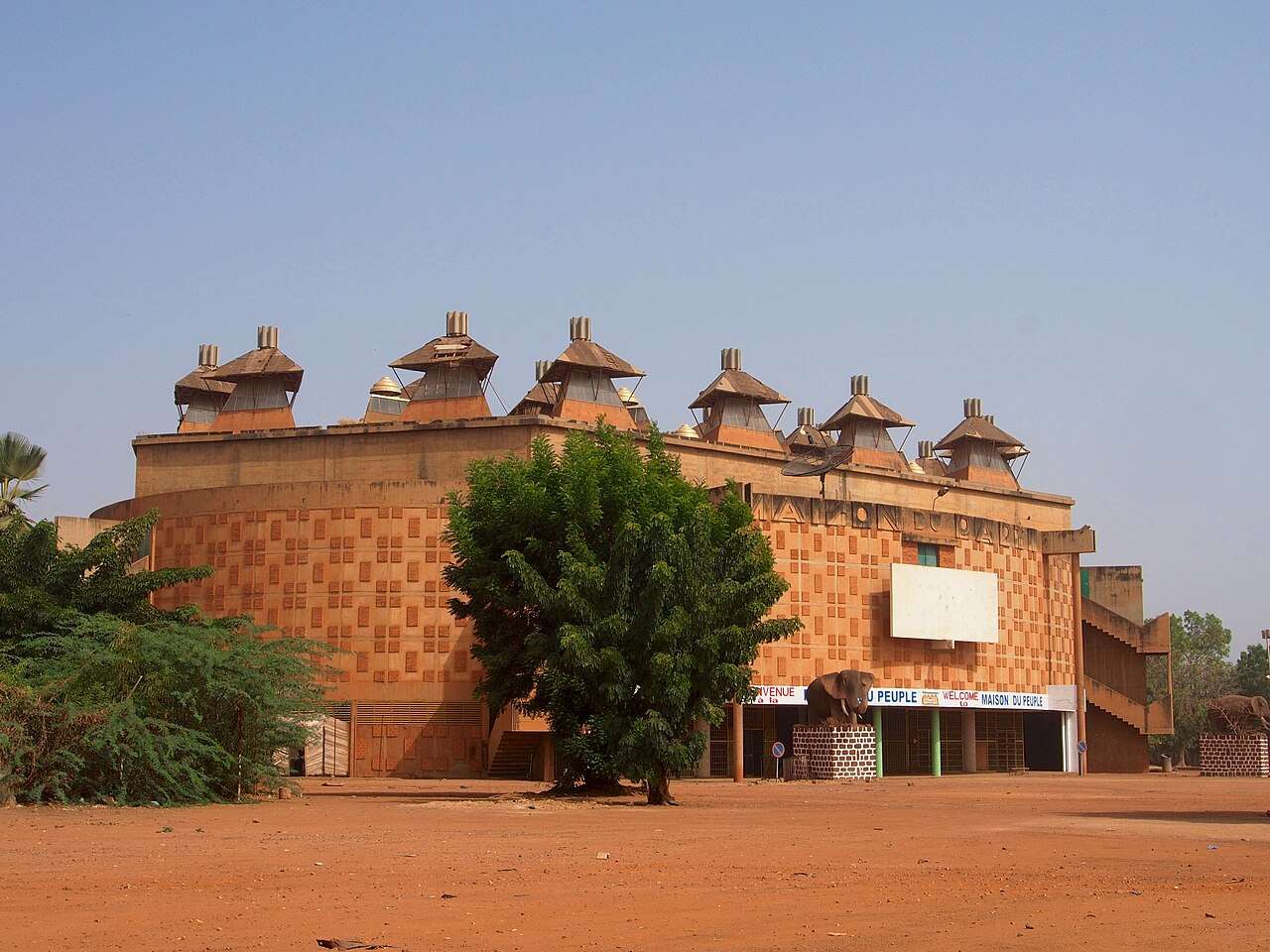
Another major focus of my work is the rehabilitation of historic buildings, which both preserves cultural heritage and reduces the carbon footprint of construction. I am currently developing a long-term partnership with the World Monuments Fund (editor’s note: an NGO dedicated to protect and restore exceptional historic sites worldwide) on several projects, including one aimed at preserving the "Maison du Peuple" in Burkina Faso, a large naturally ventilated auditorium. This partnership will also allow us to test new materials, produce a publication, and organize conferences featuring African architects in Switzerland.
Building bridges between the Global South and Switzerland will be central to your teaching, correct?
In my building technology course, I will present examples of constructions from the Global South that are adapted to extreme heat and humidity, large day-night temperature variations, or flooding. The goal is to encourage students to imagine solutions for Switzerland’s climate in 2100. I also plan to introduce an intensive summer course during which students will work for two weeks on a heritage rehabilitation site in Morocco, Ghana, or Sierra Leone, in collaboration with local partners. My aim is to expose them to different architectural approaches and broaden their curiosity and knowledge.
My aim is to expose students to different architectural approaches and broaden their curiosity and knowledge.
How do you see your research contributing to the Smart Living Lab community?
I see many potential synergies. For instance, the TRANSFORM Institute works on the reuse of buildings in the Global North. Some of their methods could inform our research, and conversely, techniques from the South could inspire their work here. I also foresee collaborations with SXL, since many countries of the Global South have numerous ruins whose debris could be reused. And HOBEL could help us design low-cost passive cooling techniques for the housing prototypes we plan to install in Sierra Leone and Tanzania.
Strengthening synergies is one of the goals of the new SLL building. What are your first impressions of this unique facility?
I’m excited to move in and to experiment with technologies from the Global South. The roof of the new building will allow us to test plant-based insulation, for example – similar to rooftop urban agriculture practices in the Global South, which both make use of the space and insulate the building. And why not use the SLL’s removable façades to experiment with natural materials such as woven straw?
The building will help establish Fribourg as a hub for innovation. How are you settling into your new home city?
My family and I are delighted to live in a human-scale city where everything is easily accessible. It’s a privilege to be close both to green spaces like the banks of the Sarine river and to the historic center. I visit the cathedral at least once a week. And I appreciate the kindness of the residents. My 80-year-old neighbor teaches me many things about Fribourg. That’s why I want to get involved in the city’s cultural and community life by organizing events. I’ve already proposed an activity on sustainable architecture at my son’s school.
Contact
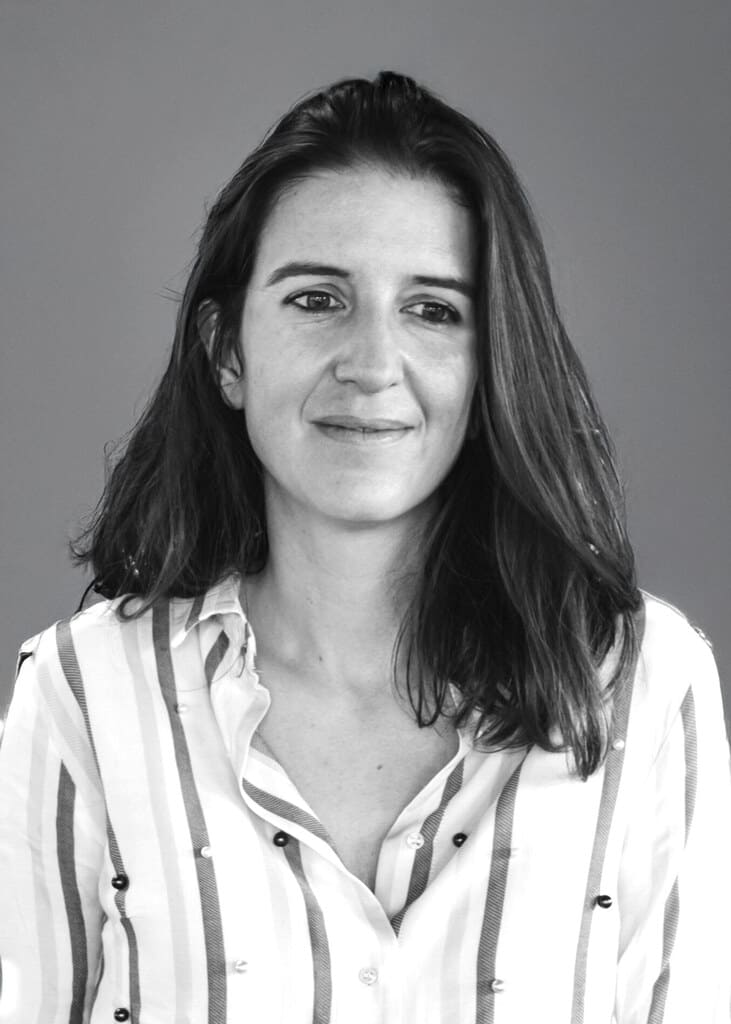
Aziza Chaouni
-sustainable architectural technology
-environmental awareness
Information
Laboratoire Sud-Nord de la construction durable et de conservation (SoNo)